Table of Contents
1. Introduction
2. Supreme Court Ruling on Tariffs
3. Trump’s New 15% Global Tariff
4. Companies Most at Risk
5. Investment Strategy and Portfolio Moves
6. Key Takeaways
Introduction
About a year ago, President Trump's tariffs triggered the biggest stock market crash since the pandemic. And the bigger the crash, the bigger the opportunity. Well, those same tariffs just got struck down by the Supreme Court, marking a massive shift in trade policy that will make some investors rich and destroy the portfolios of anyone who's not paying attention.
So in this video, I'll walk you through what's actually happening with Trump's tariffs, while almost all the headlines are missing, and which stocks are set to win big as a result. Your time is valuable, so let's get right into it. First things first, if you feel confused about Trump's tariffs and his trade war, you are not alone. Every major media outlet is asking way more questions than they're answering right now.
However, confusion can create huge opportunities for investors, especially those who slow down, figure out what has actually changed, and make moves based on data and policy instead of headlines and hot takes.
That's exactly what this video will help you do and i'll break everything down into four parts first what the supreme court just killed and what it didn't second what this means for trump's trade war in general and his ai strategy specifically third which companies are most at risk after this decision and of course which stocks are set to win big as a result there's a ton to talk about so let's dive right into the supreme court's decision around trump's tariffs about a year ago president trump declared that unfair foreign trade practices were a national emergency, and he used a law called the International Emergency Economic Powers Act, or the IEEPA, to slap a 10% tariff on all countries, plus much higher reciprocal tariffs on countries where the U.S.
has a big trade deficit. Those reciprocal tariffs quickly turned into serious international trade tensions that triggered the single steepest stock market drop since the COVID crash, with the S&P 500 and the Nasdaq dropping by about 20% in a matter of weeks. I actually made 7 separate videos covering Trump's different rounds of tariffs, why I thought they wouldn't last, and the big buying opportunities I thought they presented.
Those videos got over 3 million views combined, and many of the stocks in them have more than doubled in price in the months that followed. I'm not trying to show off here. I'm trying to show you the direct connection between paying attention to tariffs and getting rich without getting lucky. Fast forward to this past week.
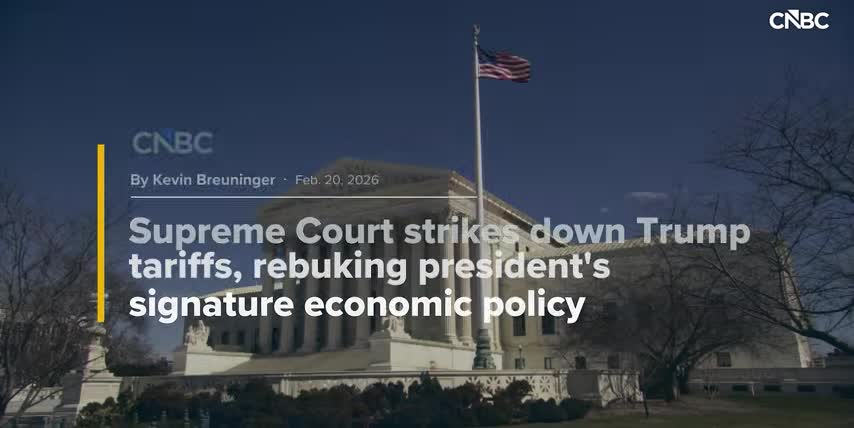
In a 6-3 decision, the Supreme Court ruled that President Trump overstepped his authority under the IE EPA, basically saying this emergency law lets the President regulate imports during a real national emergency, but it doesn't give him the power to redesign the whole tariff system or run a permanent global tariff program all by himself. That means most of Trump's reciprocal tariffs, which hit more than 100 countries are now being unwound.
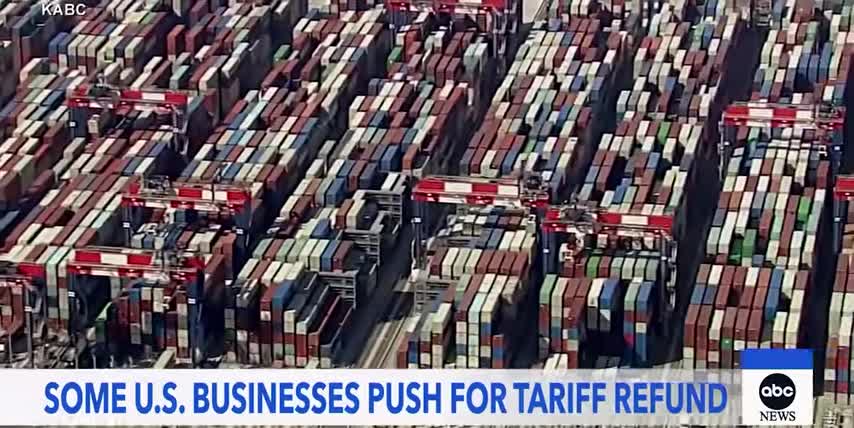
Importers and lawyers are already scrambling to figure out how to handle more than $130 billion that were collected under these tariffs now that the Supreme Court says they weren't authorized in the first place. But here's what almost all the headlines have been missing. This ruling only touches tariffs relying on that Emergency Economic Powers Act.
It didn't strike down Trump's separate national security tariffs under Section 232, which includes the new 25% tariffs and compliance rules on specific semiconductor equipment and AI chips that took effect in January.
Those more targeted, sector-specific tariffs are still in place, and they're the real linchpin in Trump's ongoing trade war, especially for AI and semiconductor stocks But here where things get really interesting Trump isn treating the Supreme Court loss like the end of his overall strategy He treating it like a little speed bump and reaching for different weapons altogether within hours of the ruling president trump went on camera called the court deeply disappointing and announced a brand new 10 global tariff using a different law section 122 of the 1974 trade act which lets him impose up to a 15 baseline tariff for a limited period without congressional approval he also specifically said that all tariffs imposed under other laws, like the Section 232 national security tariffs I just mentioned, will remain in full force and effect.
Quick update as I'm recording this video. President Trump just raised his 10% global tariff all the way to 15%, which is the maximum allowed under the Trade Act that he's using to enact it. At the same time, his team has been quietly shifting the trade war towards advanced chips and AI hardware.
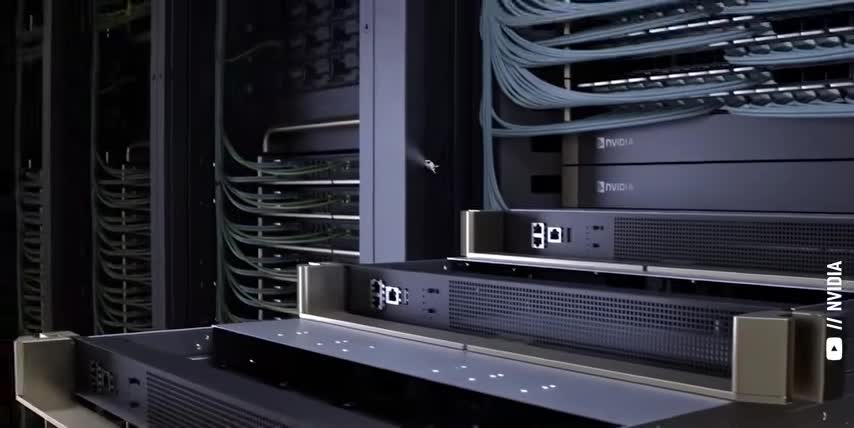
For example, the Trump administration imposed a 25% tariff on more advanced AI accelerators like Nvidia‘s H200s and AMD's MI325X and paired that with new export controls that effectively take a share of chip revenues from China. All that is completely outside the Emergency Economic Powers Act, so the Supreme Court ruling doesn't affect these things at all.
The White House also signed a semiconductor deal with Taiwan that ties future tariffs directly to how much Taiwanese companies invest in US manufacturing. Chipmakers that build fabs in America can import up to 2.5 times their planned U.S. capacity without tariffs while the plants are being built, and about 1.5 times that capacity once they're up and running.
Funny enough, if this policy holds, I think it could make Taiwanese chipmakers overpromise on their planned capacity and take more time to complete their U.S. fabs. That way, they maximize the number of high-value chips that they can ship without paying those tariffs. But either way, the era of blanket emergency style reciprocal tariffs is coming to an end. But the era of targeted AI and semiconductor tariffs is just getting started.
And that's where the real market winners and losers start to be more clear. Speaking of winners and losers, a new study shows that US workers who use AI every day earn 40% more than those who don't. That means AI is no longer optional.
It's an advantage that you either have or others have over you that's where outskill comes in the sponsor of this video outskill is the world's first ai focused education platform and they're hosting a live two-day training to take you from beginner to advanced ai professional this coming saturday and sunday and they're giving the first 1 000 people who sign up with my link a free c whether you work in tech or sales marketing or hr you'll learn how to use ai agents create automated workflows and connect them to the software and spreadsheets you already use every day.
This is a great way to level up your AI knowledge, get a serious competitive advantage, and understand the science behind the stocks. Over 10 million people all over the world have already participated, and the slots for this one are filling up faster than ever. So make sure to register for your free seat with my link below today.
Alright so under the old policy that was just struck down, almost every product from almost every country got hit with some version of President Trump's reciprocal tariffs. And the higher the U.S. trade deficit with the country, the higher the tariffs that country faced.

With this new setup, the extreme deficit-based charges are being rolled back, and the extra pressure is now being concentrated on a narrow set of high-end chips, tools, and supply chains that Washington is treating as national security assets There are two big reasons this matters to investors First for anything tied to advanced AI infrastructure like GPUs and custom accelerators high bandwidth memory advanced packaging leading edge foundries and the machines inside them, US policy is now focused on pulling more of that capacity onshore or into friendly countries even harder than it was before by using tariffs, export controls and targeted deals with allies like Taiwan.
And second, And any business relying on demand from China, low-margin commodity hardware, or generic electronics that foreign countries can easily undercut is losing their old blanket tariff protections, making them much more exposed to new retaliatory tariffs and brutal price competition.
The overall takeaway for investors is that Trump's trade war is moving from tariffs on everything to a filter that specifically separates AI and semiconductor companies into two buckets, those that benefit from these new policies, and the ones at risk because of them. So, let's talk about that next, starting with which companies are most at risk. And if you feel I've earned it, consider hitting the like button and subscribing to the channel.
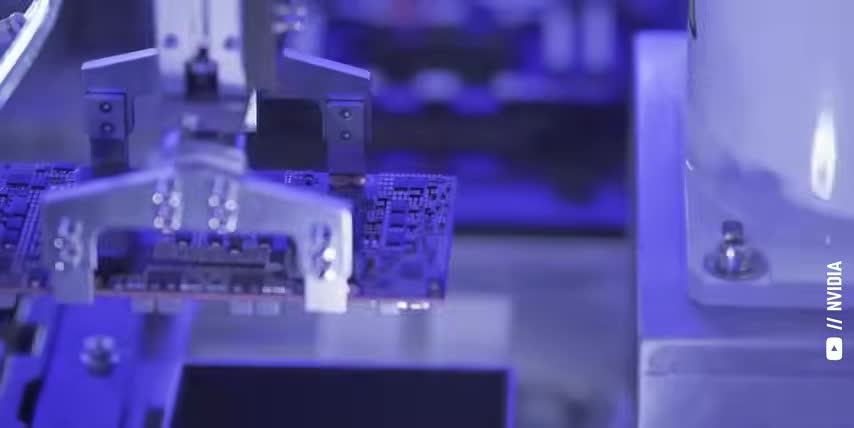
That really helps me out and it lets me know to make more content like this. Thanks, now let's talk about which companies these policies hurt the most. First, any US listed semiconductor or hardware companies with outsized China exposure that aren't treated as national security assets under these new policies. Companies like Qualcomm , Marvell , Western Digital , and Sandisk could have anywhere from 25 to 40% of their revenues effectively tied to Chinese OEMs or China-centric supply chains.
Just to be clear, I'm not saying these are bad businesses, but they are more vulnerable to new Chinese trade policies, customer reshoring inside China, and aggressive competition from Chinese chip and hardware vendors if tensions continue to escalate. Second, low-margin commodity hardware businesses that were benefiting from broad tariff shelters. Think about the Quantas and Foxcons of the world.
Foxconn manufactures Apple's iPhones and iPads, Microsoft's Xbox consoles, Amazon's Kindle devices, and even AI server equipment for Amazon, Microsoft, and Meta, all on 2-4% margins. And now, those same items are losing their broad tariff protections, which impacts the supply chains of every tech company and product I just mentioned.
So, if a company's competitive edge depends on demand from China, manufacturing in China, or other low-cost nations, this version of President Trump's trade war is an even tougher environment than the one that just got overturned. Now let's talk about the companies that should benefit the most from the next phase of this AI trade war and the biggest long-term investing opportunities as a result.
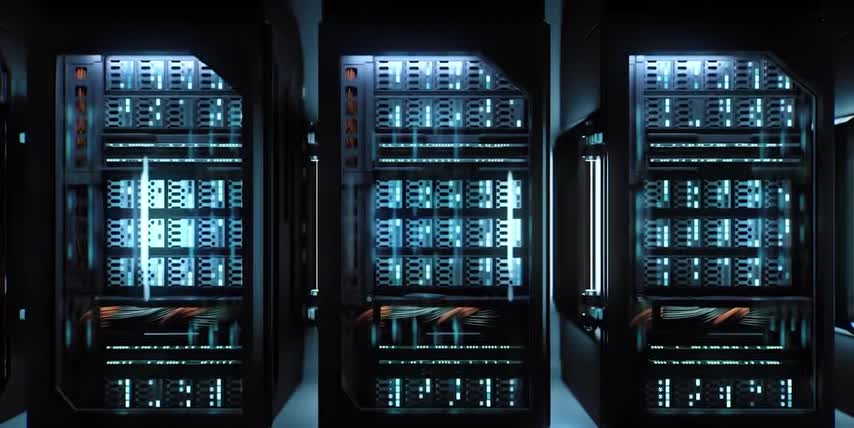
First up are the AI accelerators and custom chips the Trump administration is treating as national security assets. NVIDIA and AMD are front and center here, since the 25% tariff under Section 232 literally calls out chips like NVIDIA's H200 and AMD's MI325X. The export control rules on these chips are designed to limit sales to China while keeping US companies and US allies well supplied.
That combination of strict limits on China and massive AI spending in the US is exactly the kind of setup that lets the strongest chip vendors keep demand high without having to slash prices. Second would be the memory and advanced packaging ecosystem around those same chips.
High bandwidth memory is already in short supply, and the Section 232 actions plus the Taiwan deal are pushing more of that memory and packaging capacity into US and allied fabs instead of China That a clear tailwind for companies like Micron in the US as well as SK Hynix and Samsung in South Korea, since these companies make the memory that AI chips can't run without. Third are the semiconductor foundries and equipment makers willing to make more in the US.
Chip manufacturers like TSMC and Intel are being subsidized to expand their US production, with tariff rules that get more generous, the more they invest here. And equipment vendors like ASML, Applied Materials, LAM Research, and KLA also benefit from these buildouts because every new advanced manufacturing line is filled with their tools and machines. Alright, so here's how I'm actually using all this information for my own portfolio. And as always, this isn't financial advice.

I'm just sharing what I'm personally doing. Just like last year, I'm treating tariff headlines as entry points, not as reasons to panic. While investors get more fearful around Trump's new announcements, court rulings, or responses from China, and all the AI and semiconductor stocks I cover sell off with the rest of the market, that's when I dollar cost average in even more aggressively into every layer of the AI stack, from Nvidia and Micron to TSMC and ASML.
I'm also paying close attention to the important data points that I always talk about during drawdowns like CNN's Fear and Greed Index and the S&P 500's Volatility Index. If volatility and fear in the market spike at the same time, that's my signal to get more greedy. If volatility stays low and greed stays high, I'll wait for the next headline. And there will be a next headline. Remember, this is an evolving story.
President Trump has already shown that he's willing to use one legal tool after another to pressure his trading partners. The US Congress and other countries are still responding to this latest decision, as well as Trump increasing his new global tariff from 10 to 15%. So I'll keep tracking the changes to these tariffs and trade policies so I can keep you updated on what they mean for AI and semiconductor stocks. But hopefully this video helped you understand what happened so far.

The Supreme Court just overturned Trump's reciprocal tariffs under the International Emergency Economic Powers Act, the ones that hit more than 100 countries and helped trigger a 20% drop in the market last year. President Trump immediately fired back with a temporary 10% global tariff under a different law, Section 122 of the 1974 Trade Act.
Then just one day later, he increased that global tariff to 15%, which is the maximum allowed under that law, while keeping all the other tariffs and export controls fully in place. That includes the Section 232 national security tariffs and the China-focused export controls we walked through in this video.
Put together, that means there's even more pressure on advanced AI chips and their supply chains, which Washington DC is treating as national security assets to move more production to the US, while blanket protections for low-margin hardware companies and China-dependent revenue streams are starting to go away.
All of these changes make the core AI stack, including GPUs and custom accelerators, high bandwidth memory and advanced packaging, and the companies moving fabs, machines and tools to the US, a great way to get rich without getting lucky. And if you want to see what else I'm investing in to get rich without getting lucky, check out this video next. Either way, thanks for watching and until next time, this is Ticker Symbol U.
My name is Alex, reminding you that the best investment you can make is in you, courtesy of TickerSymbol: YOU. Thank you.
Key Takeaways
- The Supreme Court has overturned Trump's reciprocal tariffs under the International Emergency Economic Powers Act.
- President Trump has introduced a new 10% global tariff under Section 122 of the 1974 Trade Act, which has since been increased to 15%.
- The new tariffs and export controls are targeted at advanced AI chips and semiconductor companies, which are considered national security assets.
- Companies that are most at risk from these policies include those with outsized China exposure and low-margin commodity hardware businesses.
- Companies that are likely to benefit from these policies include AI accelerators and custom chip manufacturers, memory and advanced packaging companies, and semiconductor foundries and equipment makers.
Checkout our YouTube Channel
Get the latest videos and industry deep dives as we check out the science behind the stocks.